

IN THIS BLOG:
- ➤What Does Marketing Automation Specialist Do?
- ➤Day-to-Day Responsibilities of a Marketing Automation Strategist
- ➤Does Marketing Automation Work?
- ➤Marketing Automation Tools List: What Do They Use?
- ➤What Skills Do You Need For Marketing Automation?
- ➤What to Look For When Hiring Marketing Automation Specialists
- ➤Who Do They Work With?
- ➤How Much Does Marketing Automation Cost?
- ➤Is Marketing Automation Suitable for Small Businesses?
- ➤The One Specialist Your Business Can’t Afford to Skip
- ➤FAQs
Everything looks fine until the pipes burst. In the same way, scaling a modern revenue operation without automation means workflows and systems clog up. This is where the question “What does a marketing automation specialist do?” begins to make sense.
Here’s what you need to know about the specialist behind the technology.
The plumber behind the plumbing, if you will.
What is a marketing automation specialist?
Key Takeway / Quick Answer
A marketing automation specialist simplifies and organizes workflows through their expertise in handling software and tools. They turn marketing plans into repeatable, automated systems: you no longer have to keep manually duplicating and updating them on your own.
What Is the Role of a Marketing Automation Specialist?

Here’s the take:
Your marketing coordinator knows the strategy, and your platform holds the tools. The specialist is the person who sits between both. This person translates intent into a set of instructions or “logic” that runs on its own.
They’re not there to manage your team or replace your marketer, but are there to build the infrastructure that makes everything your team does go further.
What separates a strong specialist from someone who’s simply logged time in a platform is scope. They map the full customer journey, identify where leads fall off, redesign the workflow around those gaps, and connect your marketing data to your sales outcomes.
Manual marketing processes and actions are the crux of operations. Specialists have eyes for marketing workflows and hands in technical execution: email marketing automation, social media scheduling and posting, and personalizing ad campaigns.
What is digital marketing automation, and why should I use it?
Marketing automation description: the technology woven into marketing systems, holding them together so processes are executed with no manual oversight.
It’s the software, the engine that allows for faster, smarter, more efficient marketing.
You want to build and strengthen your brand, dive into consumer behavior, and make sense of big data. Automation runs through rules, triggers, and sequences.
But the marketing automation team or specialist is the architect.
Day-to-Day Responsibilities: What Does a Marketing Automation Specialist Do?
The marketing automation strategist works in marketing automation strategy. Their roles are fluid. What they do varies with industry and company goals (and size).
Still, consistent in what a marketing automation expert is responsible for includes:
#1. Building and managing automated email campaigns
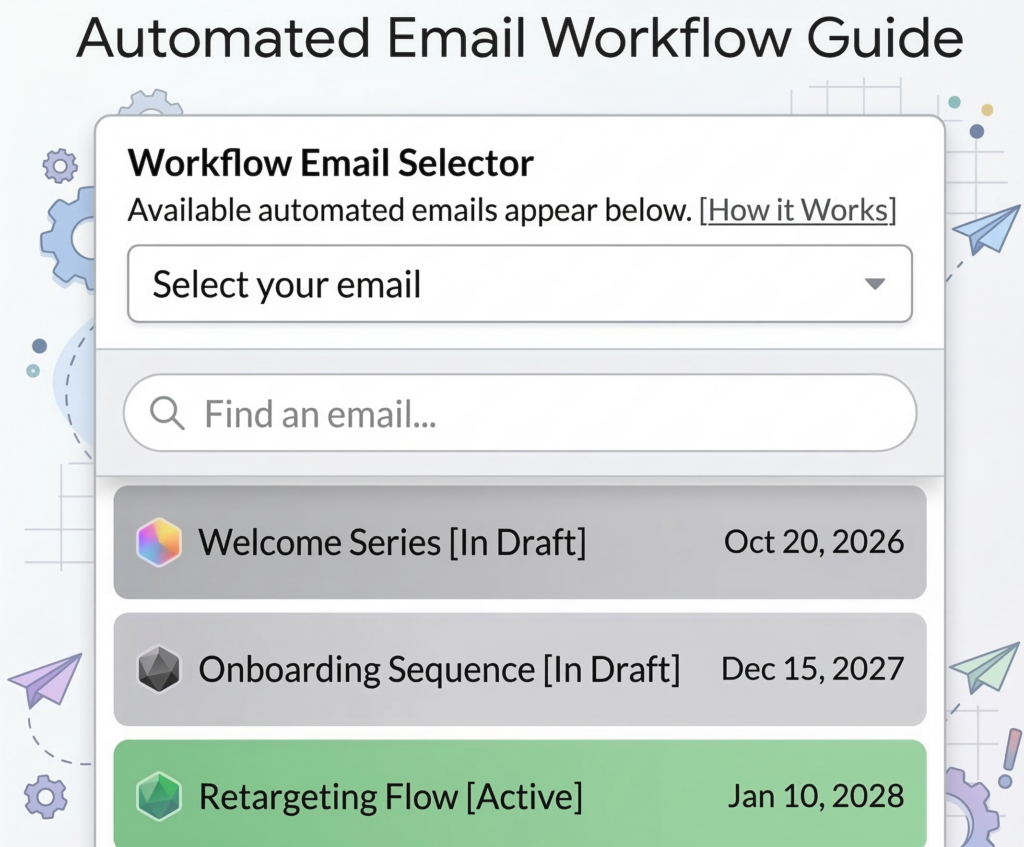
#2. Designing workflows that respond to customer behavior (clicks, purchases, sign-ups); these are called trigger-based workflows
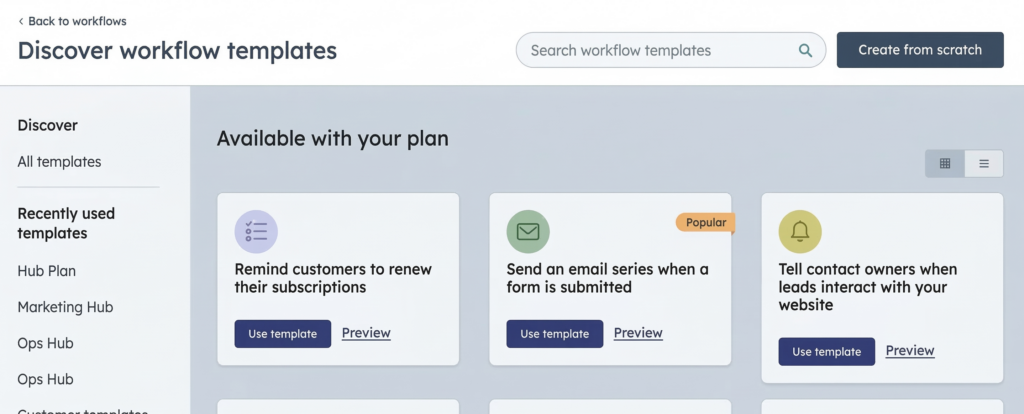
#3. Audience segmentation for targeted, personalized messaging
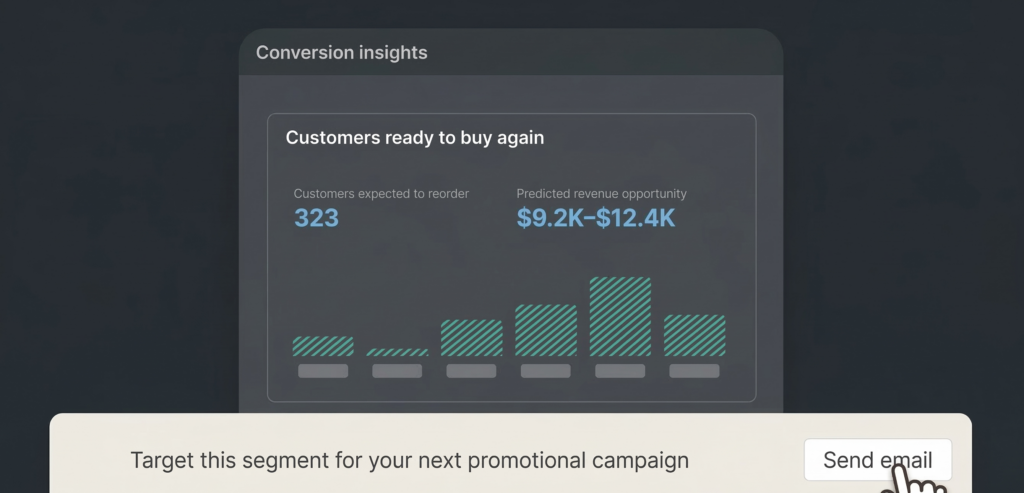
#4. Setting up and maintaining lead scoring automation and lead nurturing automation
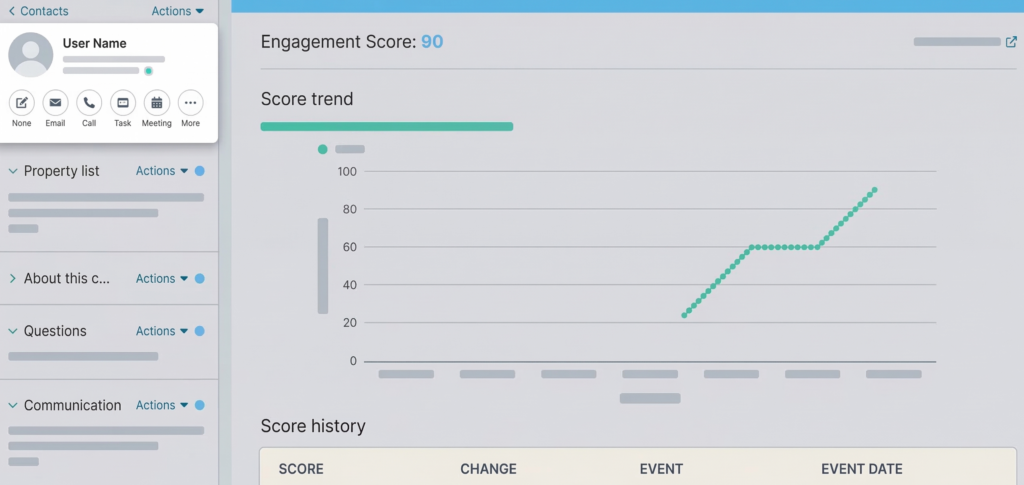
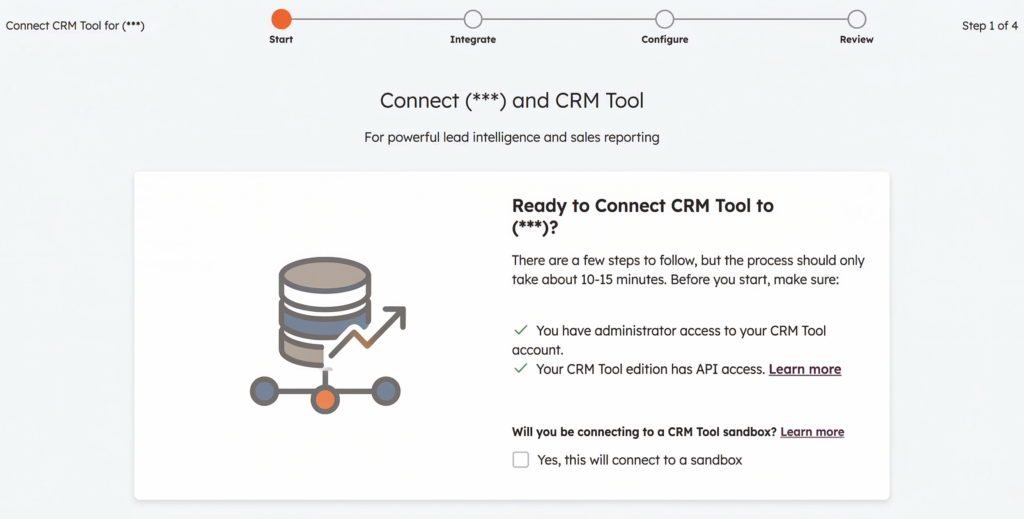
#5. Integrating the automation platform with the company’s Customer Relationship Management software (CRM marketing integration)
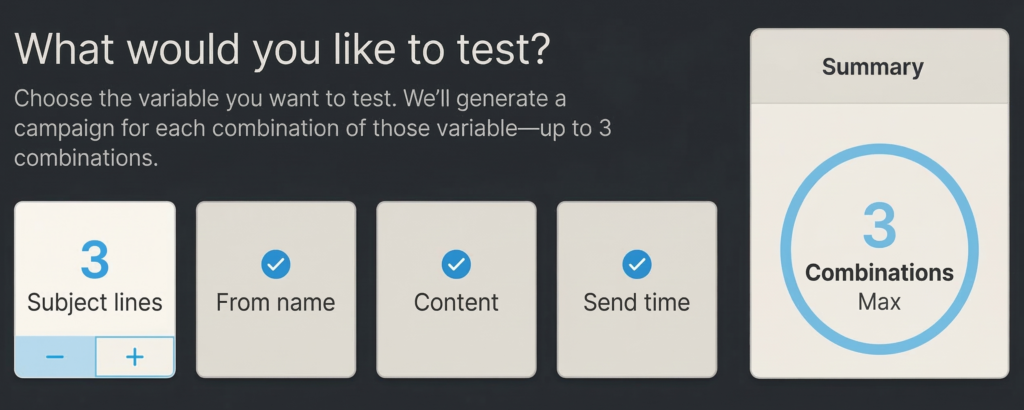
#6. Running A/B tests on emails, subject lines, and landing pages
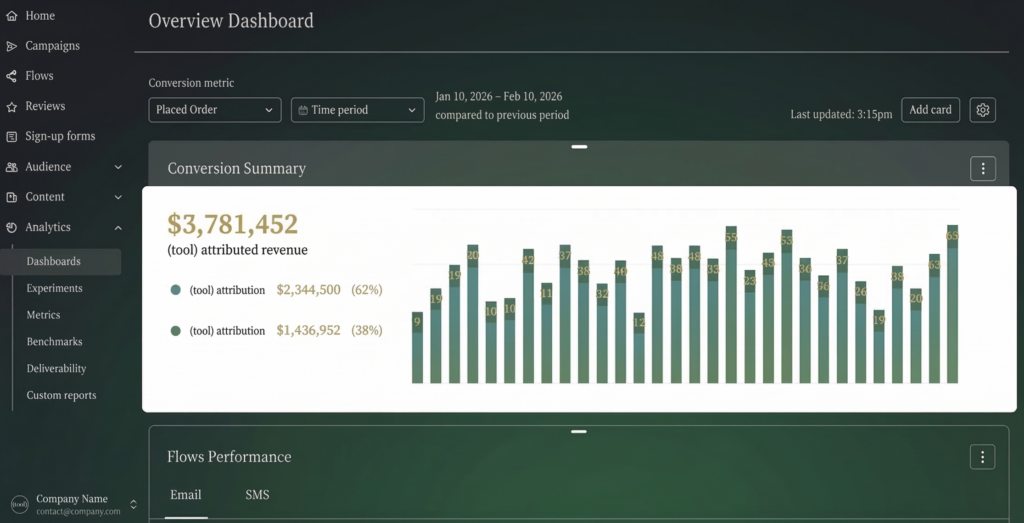
#7. Mapping demographic stages through customer journey automation, from first touch to conversion, and building drip campaigns that match each stage

#8. Monitoring campaign performance and pulling reports through marketing analytics automation
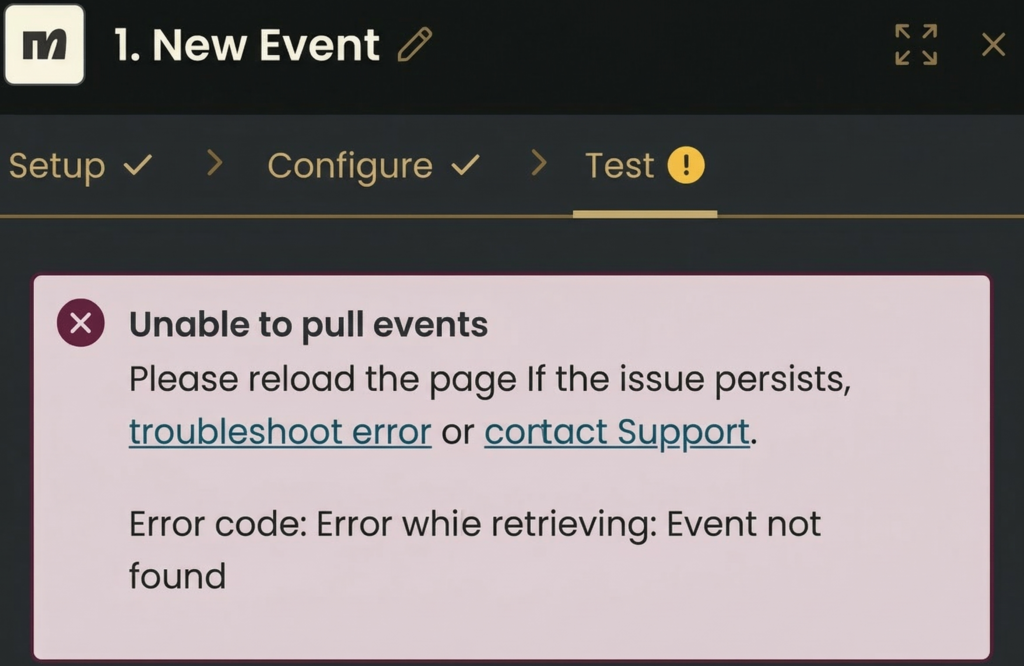
#9. Troubleshooting technical issues with automated marketing workflows or platforms
#10. Collaborating with content, design, and sales teams
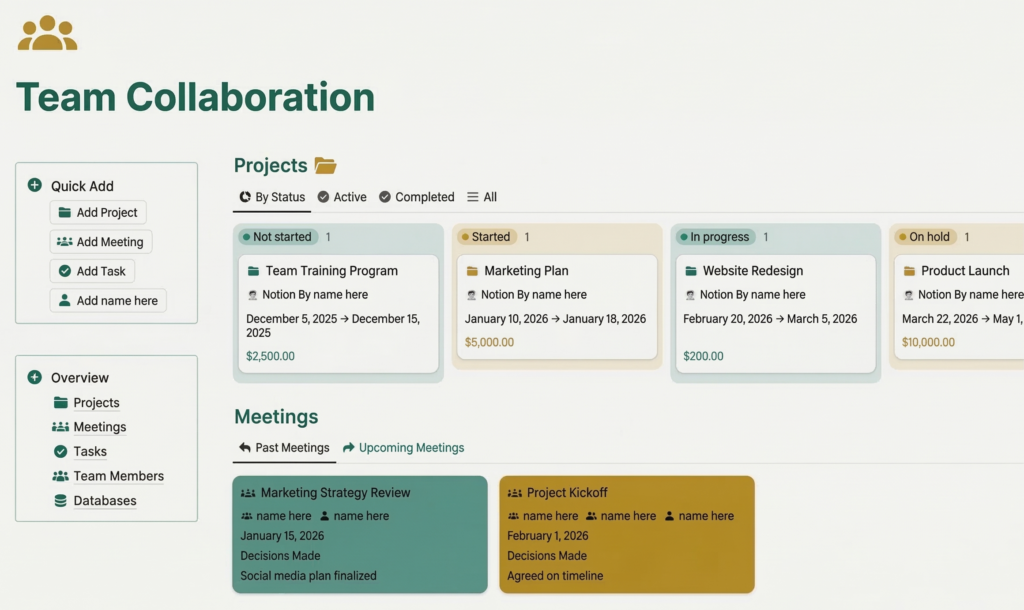
These responsibilities aren’t always needed for every business day, though some require regular, daily action.
As you learn more about marketing automation, read about Kroger’s billion-dollar mistake, and how to avoid the Risks of Over Automation.
Does Marketing Automation Work?
Before committing to a hire, it’s fair to ask whether the technology used in marketing automation consultancy delivers.
The short answer: yes.
The data is tough to argue:
Research puts the average return at $5.44 for every $1 spent on marketing automation. Most businesses don’t wait long to see it either. 76% report a positive ROI within the first year.
The easy tell? Lead generation. Companies that work with specialists have seen more leads, with the same leading to higher conversion rates, compared to those still relying on manual alternatives.
Takeaway: the technology works. But it works best when someone who actually knows it is calling the shots.
Marketing Automation Tools List: What Do They Use?
Marketing automation for professional services is heavily platform-dependent. These tools are typically required in marketing automation:
Enterprise Platforms
For enterprise roles, fluency in Marketo (Adobe Marketo Engage), Pardot (Salesforce Marketing Cloud Account Engagement), or Oracle Eloqua. Or at least some, if not all, of them.
These platforms handle complex multi-touch campaigns, advanced lead scoring models, and deep CRM sync. Emails should reach inboxes, and your CRM should stay reliable.
Expect candidates to discuss program architecture, smart list logic, and revenue cycle models.
Mid-Market and SMB Platforms
HubSpot Marketing Hub, ActiveCampaign, and Klaviyo dominate mid-market and e-commerce.
HubSpot candidates should understand workflow branching, contact lifecycle stages, and reporting dashboards.
Klaviyo expertise is especially valuable for DTC brands where e-commerce marketing automation (abandoned cart flows, post-purchase sequences, predictive segments, etc.) drives meaningful revenue.
No-Code Entry-Level Tools
For teams focused on automating internal processes and connecting software tools (SaaS integrations), familiarity with Zapier, Make (Integromat), and n8n is increasingly expected, even for roles that aren’t purely technical.
n8n is particularly relevant for teams that want to run automation on their own servers.
Full control over customization rather than reliance on a third-party cloud tool.
CRM and CDP Familiarity
Fluency with Salesforce CRM, Microsoft Dynamics 365, or a Customer Data Platform (CDP) like Segment or mParticle signals a candidate who understands the full data ecosystem.
CDP experience is a growing differentiator as companies consolidate first-party data strategies.
Comparison Chart of Marketing Automation Tools & Their Uses
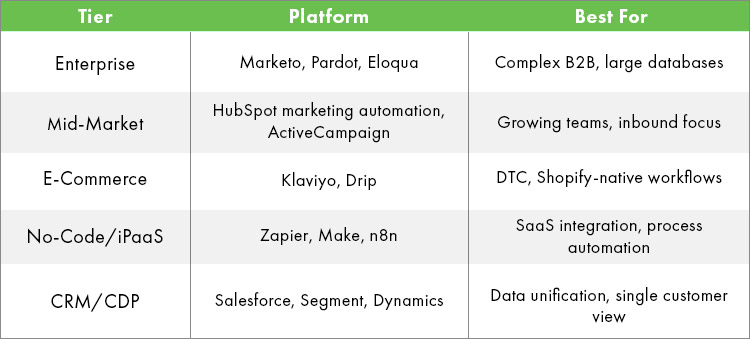
Even if the marketing automation consultant is highly adept in only one of them, skill transfer to the rest is possible, with a learning curve that depends on personal proficiency.
What Skills Do You Need For Marketing Automation? (Marketing Automation Specialist Job Description)
These technical and soft skills are what you should be looking for in a candidate:
Technical skills
- Proficiency with marketing automation platforms (above)
- CRM integration and data management
- Basic HTML/CSS for email template customization
- Workflow logic and customer journey mapping
- Data analysis and reporting
- Understanding of lead scoring and funnel stages
- Familiarity with GDPR / CAN-SPAM compliance
Soft skills
Specialists should be thinkers. They should know how to analyze not just data, but also how it relates to business/marketing outputs, have attention to detail, and be able to communicate results across departments.
In retrospect, they bridge the gap between data and decision-making.
Project management is another relevant skill. Specialists are required to juggle multiple campaigns and tools simultaneously.
Bonus Read: Trending roles and tools American businesses are racing towards today include the No Code Developer and AI Specialist. Why?
What to Look For When Hiring Marketing Automation Specialists
Strong candidates aren’t just those who have used a platform and have learned the ins and outs. They understand the business logic around the workflows they build.
A few questions for your hiring evaluation:
- Platform experience: Do they have hands-on, proven experience with the tool your business already uses, or the one you’re planning to implement?
- CRM fluency: Do they know how automation and CRM integration connect, and how to keep that data clean?
- Analytical thinking: Can they read campaign performance data and draw conclusions?
- Cross-functional communication: Can the specialist clearly relay technical information to the rest of the team?
- Evidence of results: How have they been effective in influencing campaigns, workflows, and revenue?
- Campaigns built, workflows designed, revenue influenced. Look for numbers, not just job titles
A generalist with some automation experience? Not the same as a specialist who immerses themselves in these systems. A freelance marketing automation professional? You’d have to check on how much they really know about what work needs to be done inside the tools, whether freelance, part-time, or full-time.
Who Do They Work With?
The role is intertwined with nearly every function that impacts lead movement and campaign performance.
That means marketing automation consultants work alongside content writers and designers to build campaign assets, sales teams to align lead handoff and scoring, the data or marketing analytics teams for reporting and attribution, and IT or developers for platform integrations.
How Much Does Marketing Automation Cost? (What Is a Marketing Automation Specialist’s Salary?)
Just as important to that question: “How much does a marketing automation specialist make in the US?”
That’s a fair question to ask, and it is especially relevant if you’re considering hiring offshore marketing automation experts.
For marketing automation specialist cost, the typical range falls between $74,962 and $120,639. Top earners clear $149,000.
Where you land in that range depends on a few things:
- The platform or platforms your hire specializes in
- Their depth of CRM and analytics experience
- The industry your business operates in
Specialists with advanced skills in AI-driven campaign optimization and CRM integration tend to pull toward the higher end.
Better yet, learn How to Calculate Outsourcing Cost (applicable no matter where you are across the globe). Calculate the cost on your own with the Remote Staff Free Outsourcing Calculator. Input your own numbers, click on the elements that apply to what you’re looking for, and let the calculator do the rest:
Since tax filing is over, here’s why US business owners don’t stop there with this Post Tax Season Planning Guide.
Is Marketing Automation Suitable for Small Businesses?

If your team is still manually sending follow-up emails, copying campaign sequences by hand, or watching leads go cold between touchpoints, you already know where you stand, regardless of business size.
The role exists because marketing at scale breaks without systems. A specialist builds those systems and keeps them running. And the market is growing to match.
So, why is a marketing automation specialist your smartest investment? In the US alone, marketing automation was a $19 billion industry in 2024. By 2033, that number is expected to nearly triple.
Let Remote Staff help you find the right offshore marketing automation specialist for you. We’ve been placing professionals with US businesses for over 18 years, and we make sure we vet candidates through their expertise and experience. Freelance marketing automation? Full-time or part-time? Whatever’s the better fit for your business needs. We also take care of payroll, onboarding, and other HR tasks.
Learn about how you can support your offshore team by creating a mental health policy: Mental Health for Remote Workers.
FAQs
Can a marketing automation specialist work part-time, or do you need a full-time hire?
Part-time works for businesses that have a defined, limited scope: maintaining existing workflows, running a single campaign type, or managing one platform. Once your operation spans multiple tools, multiple audience segments, or active lead nurturing across the full funnel, part-time hours create gaps that cost you leads. Most growing SMBs find that a full-time specialist pays for themselves faster than a fractional arrangement because the systems they build run continuously, not just on the hours they’re clocked in.
What’s the difference between a marketing automation specialist and a digital marketing generalist?
A generalist handles broad execution: social media, content, ads, and email. A specialist goes deep into one discipline: the technical architecture of your marketing systems. They’re not writing your copy or managing your posting calendar. They’re building the logic that decides who receives what message, when, and why, and then making sure that logic keeps working as your contact list grows. The skill sets overlap in places, but the depth of technical focus is completely different.
How long does it take for marketing automation to actually show results after a specialist is hired?
Most businesses see measurable improvements in lead response time and email engagement within the first 30 to 60 days, once core workflows are live. Lead quality and conversion improvements take longer because they depend on data accumulation and iterative testing across campaign cycles. A realistic benchmark: foundational systems built in weeks one through four, first optimization pass by week eight, and meaningful revenue attribution data within three to six months.
Does a marketing automation specialist need to understand your specific industry?
They don’t need to know your industry the way a domain expert does, but they need to understand your buyer’s journey. The logic they build inside your platform reflects how your contacts behave, what triggers a purchase decision, and where leads fall off. A specialist who asks those questions before touching your platform will build better systems than one who imports a generic workflow template. Industry knowledge helps; understanding your customer journey is non-negotiable.
What happens to your automation systems if the specialist leaves?
This is the right question to ask before you hire. A well-built automation program is documented: every workflow has a clear name, a purpose, and a written record of the logic behind it. The specialist should maintain that documentation as a standard part of the role, not as an afterthought. When documentation is in place, a new hire can take over and extend the system without starting from scratch. When it isn’t, you’re left with a black box, which is why documentation standards should be part of your hiring criteria from day one.
The One Specialist Your Business Can’t Afford to Skip
A specialist does what the name says: they specialize. In tools, systems, data, and the logic that keeps a marketing engine going without constant manual input.
Not every business needs marketing automation consulting on day one. But most businesses, at a certain point of growth, hit the ceiling of what a generalist can manage.
That’s when this role stops being optional. The pipes don’t burst if the plumber’s already in the building.
Looking to hire marketing automation specialists without the overhead of a full-time in-house role? That’s exactly where Remote Staff comes in.
Ready to scale your brand with talent that does more than support? Start here or Request a callback.

Vaune Everis Cura has always been a writer in the truest sense, drawn to the art both as a personal creative pursuit and as a profession. Her experience penning content across digital marketing spaces and collaborating with business owners and market shapers has broadened her craft to include strategic direction and SEO insight. Having spent years with the InterContinental Hotels Group before stepping boldly into freelancing, she understands that at the centre of it all are genuine, meaningful brand–customer relationships built on purposeful, human content.